Tar and Chip
A Paved Surface Built to Show Its Age Well
Tar and chip paving in Vilas for driveways and rural roads where standard asphalt finish is impractical or unsuitable for the property
Liquid asphalt binder applied to a prepared base, followed immediately by crushed stone aggregate pressed into the surface—that is the core of how tar and chip paving works, and the result is a surface that is functionally similar to asphalt but texturally distinct in ways that suit certain properties well. Randolph Paving, LLC installs tar and chip surfaces in Vilas for property owners who need a durable, low-maintenance paving option that handles traffic without the uniform black appearance of standard asphalt. Rural properties, long driveways, and sites with winding or steep approaches are common candidates for this method.
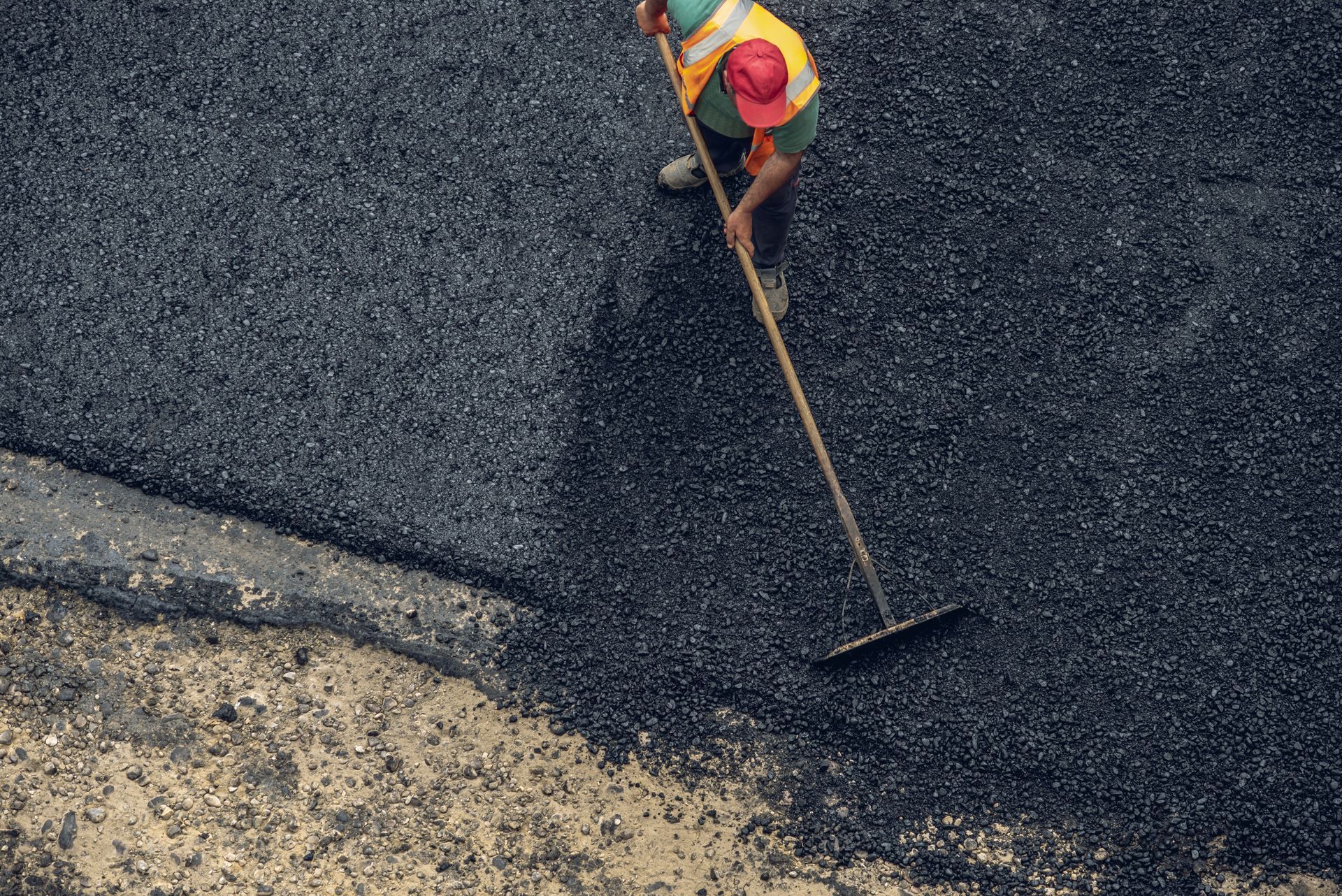
The installation sequence is time-sensitive: the liquid asphalt binder must be spread at the correct temperature, the stone aggregate distributed evenly across it before the binder cools, and then the surface rolled to press the aggregate firmly into the binder so it bonds rather than sitting loose on top. Stone size and type affect both the texture of the finished surface and how much traction it provides, which is a practical consideration on steeper grades. The base preparation underneath follows the same compaction standards as any other paving method—chip seal applied over a weak or improperly graded base will shed stone and degrade quickly.
Contact Randolph Paving, LLC to arrange a site visit and review whether your property and base conditions are suited to tar and chip installation..
What Tar and Chip Produces Versus Standard Asphalt
The visible difference between a tar and chip surface and a hot-mix asphalt surface is immediate: the finished chip seal surface has the texture and appearance of the aggregate used, rather than a smooth black finish. That texture provides more surface grip, which is a functional advantage on sloped driveways where traction matters. The aggregate color also tends to blend with natural surroundings more readily than asphalt, which some property owners in wooded or rural settings prefer for purely practical reasons related to heat and glare.
After installation, loose stone is swept from the surface and the area is closed to traffic for a short curing period while the binder sets. Once the surface has cured, what remains is a stable, bonded layer where the aggregate is locked into the asphalt binder rather than resting on it. Some initial stone pickup by tires is normal during the first days of use and does not indicate a failed installation.
Tar and chip surfaces are resealed rather than replaced when they show wear, which means maintenance involves applying a fresh binder and aggregate layer over the existing surface rather than removing and repaving. The interval between applications depends on traffic volume and how well the original base was prepared—a properly installed surface over a solid, well-graded base will perform significantly longer before reseal is needed..
Answers About How Tar and Chip Work Is Done
The following questions address the installation process and what affects the finished result, including considerations relevant to the sloped terrain and rural property types common in the Vilas area.
What aggregate is used in tar and chip paving and how is it chosen?
Aggregate is typically a clean, angular crushed stone in a specific size range—commonly three-eighths to five-eighths inch—and the size is selected based on the expected traffic load and the desired surface texture. Angular stone bonds into the asphalt binder more reliably than rounded gravel because its edges interlock when pressed.
How does a sloped driveway affect how tar and chip is installed?
On grades above a certain threshold, the binder application rate and aggregate spread must be adjusted to prevent the stone from migrating downhill before the binder sets, and the rolling direction follows the slope rather than working against it.
What base condition is required before chip seal can be applied?
The sub-base must be compacted, properly graded, and free of soft spots before any binder is applied—chip seal is a surface treatment, not a structural repair, so it cannot compensate for a weak or unstable base beneath it.
How is the binder spread during a tar and chip installation?
The liquid asphalt binder is applied using a distributor truck that sprays it at a controlled rate measured in gallons per square yard, calibrated to the surface area and condition, then the aggregate is immediately spread by a chip spreader before the binder begins to cool.
What does a finished tar and chip surface feel like underfoot compared to asphalt?
The surface is firm and stable like asphalt but noticeably rougher to the touch due to the exposed aggregate, which also means it provides better grip for foot traffic and vehicles on wet or sloped surfaces.
Randolph Paving, LLC handles tar and chip projects from base evaluation through final rolling, keeping the installation coordinated as a single process rather than splitting it between separate crews. Randolph Paving, LLC also installs tar and chip paving in Newland, Banner Elk, and West Jefferson.