Excavating
Earthwork That Establishes Proper Drainage
Excavating in Boone for site preparation and grading projects requiring heavy equipment
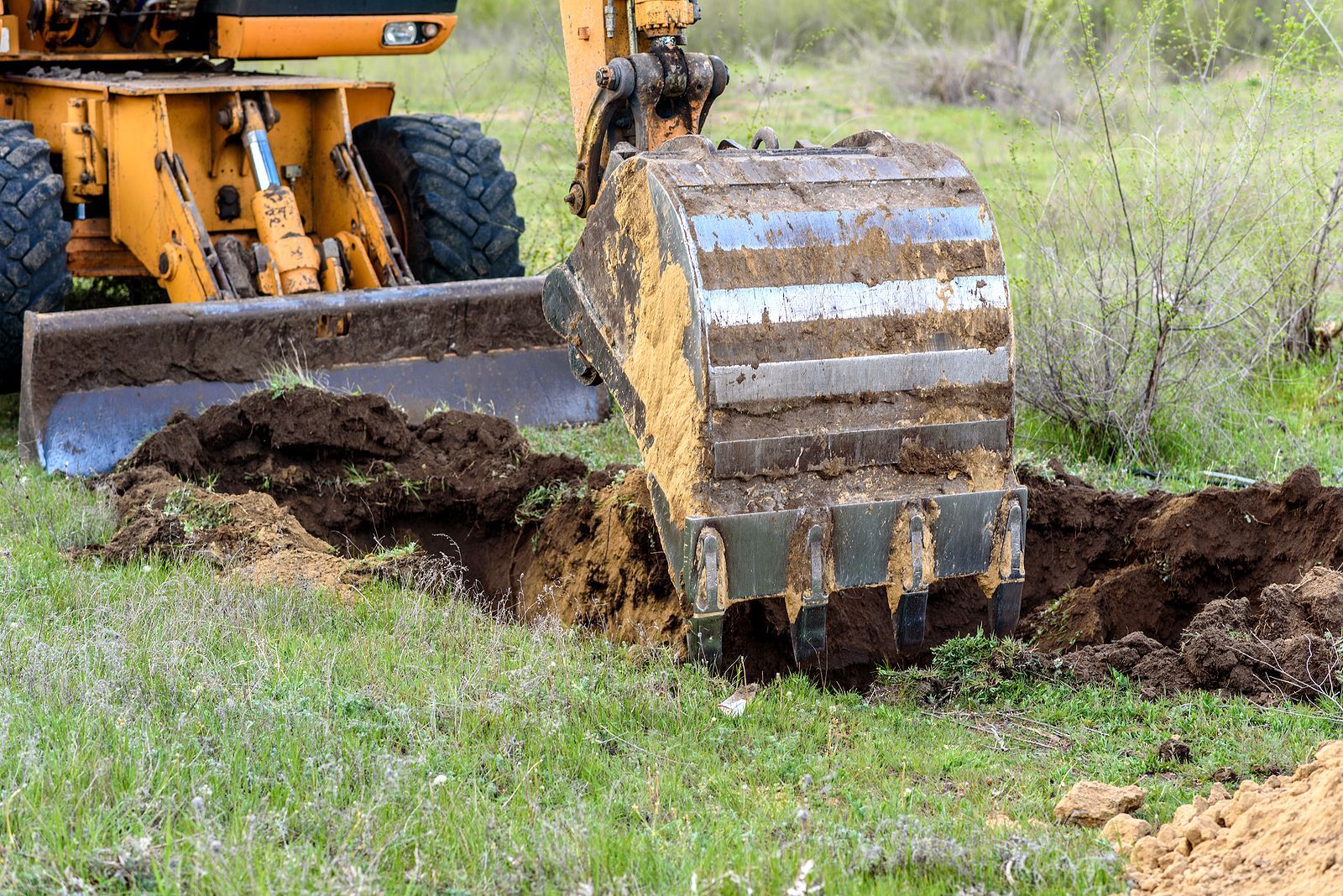
Slopes that direct water toward foundations instead of away from structures cause basement seepage, pavement undermining, and erosion channels that worsen with every rain event. Excavating work reshapes terrain to control surface water flow, removes unstable soil before construction begins, and creates level building pads or parking areas where topography originally prevented development. The process involves operating tracked excavators, bulldozers, and grading equipment to move earth in quantities measured by cubic yards, with finish grading establishing precise slopes that prevent standing water while maintaining stable surfaces under traffic or structures.
Site preparation starts with clearing vegetation and topsoil, followed by cutting high areas and filling low spots to reach target elevations shown on grading plans. Compaction happens in controlled lifts to prevent future settling, and final grades get verified with laser levels or GPS guidance systems that confirm drainage slopes meet engineering specifications. Randolph Paving, LLC operates excavating equipment across Boone for projects ranging from driveway installation to commercial site development where precise earthwork determines whether pavement and structures perform as designed.
Schedule a site assessment to identify grading challenges and drainage solutions specific to your property's topography.
How Equipment Selection Affects Results
Tracked excavators handle detail work like trenching for utilities or shaping drainage swales, while larger bulldozers move material quickly over distance during rough grading. The choice depends on soil type, access constraints, and whether the project involves precision finish work or bulk earthmoving across open areas. GPS-guided grading systems allow operators to achieve slopes within hundredths of a foot, critical for parking lots and roadways where improper drainage creates safety hazards and accelerates pavement deterioration.
After excavating and grading, the site shows defined drainage patterns with water flowing toward designed collection points rather than pooling randomly across the surface. Cut and fill areas blend smoothly without abrupt transitions, and compacted surfaces provide stable platforms ready for aggregate base or structural footings. Erosion control measures like silt fencing or seeding prevent soil loss during the period between grading completion and final surface installation.
Excavating does not include hauling material off-site unless specifically arranged, as many projects balance cut and fill to minimize disposal costs. Rocky soil or encountered bedrock requires different equipment and methods than clay or loam, sometimes adding rock hammers or ripping attachments to break material before removal. Underground utilities must be located and marked before excavation begins to prevent damage to water lines, electrical conduits, or communication cables buried within the work area.
Common Questions About Excavating Projects
Property owners in Boone preparing for excavating work often need clarity on process details, equipment capabilities, and site-specific considerations before grading begins. These answers address typical concerns about earthwork projects.
What happens when excavation encounters rock?
Bedrock or large boulders require hydraulic hammers or ripping teeth to break material into movable pieces, a process that adds time and equipment costs compared to excavating through softer soil types common at lower elevations.
How deep can excavating equipment reach?
Standard excavators typically dig eight to twelve feet deep depending on machine size, while deeper excavations require larger equipment or benching techniques that step down in stages to maintain safe working conditions and prevent cave-ins.
Why does compaction matter after moving soil?
Loose fill settles over time under its own weight and traffic loads, creating depressions and failures in pavement or structures built on inadequately compacted material, so soil gets placed in thin lifts and compacted to specified density before additional layers go down
When should excavating happen relative to other construction?
Earthwork typically occurs first to establish proper grades and drainage before utility installation, base preparation, or building construction begins, as later grading can undermine completed work or create conflicts with installed systems.
What site access does excavating equipment require?
Tracked excavators and bulldozers need clear pathways at least ten feet wide without overhead obstructions, along with solid ground that supports thirty-thousand-pound machines without rutting, sometimes requiring temporary stone access roads on soft or wet terrain.
Randolph Paving, LLC evaluates site conditions, access constraints, and soil characteristics before mobilizing excavating equipment to your location. Request an on-site meeting to review grading objectives and identify potential challenges specific to your property's terrain and existing features.