Sealcoating
Pavement Protection That Stops UV Damage
Sealcoating in Boone for asphalt surfaces showing oxidation and weathering
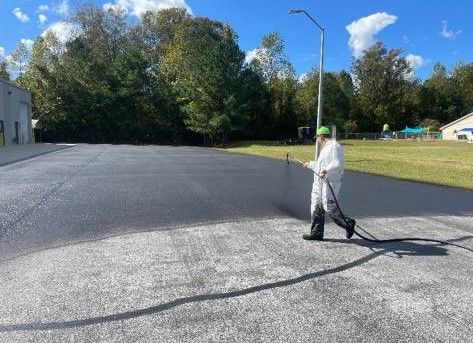
Asphalt oxidizes within months of installation, turning from black to gray as ultraviolet rays break down the binding agents that hold aggregate together. Randolph Paving, LLC applies coal tar or asphalt emulsion sealcoating to restore the protective layer and slow the deterioration process across properties in Boone and the surrounding High Country region. The application fills surface voids, blocks water infiltration, and creates a uniform appearance that indicates the pavement beneath remains structurally sound.
Sealcoating involves cleaning the surface completely, filling cracks wider than a quarter inch, and applying two thin coats of sealer that cure into a flexible barrier against moisture, oil, and UV exposure. The timing matters because temperature and humidity affect curing rates, and applications performed below fifty degrees or before rain often fail within a single season. Mountain weather patterns in the Boone area create narrow application windows between late spring and early fall when conditions allow proper bonding and drying.
Request a pavement evaluation to determine whether your asphalt requires crack sealing before sealcoating application.
Why Sealer Type Affects Longevity
Coal tar emulsion and asphalt emulsion sealers differ in composition and performance characteristics, with coal tar offering superior resistance to petroleum spills and asphalt emulsion providing better flexibility in freeze-thaw cycles. The surface receives edge work first to define borders, followed by spray or squeegee application that pushes material into surface texture without forming puddles. Proper application leaves a uniform film between fifteen and twenty mils thick after curing, thin enough to flex with pavement movement but thick enough to block water penetration.
Once cured, the surface appears uniformly black and smooth, with a slight texture that prevents slipping when wet. Water beads on the surface instead of soaking into pores, and oil drips from vehicles no longer stain the pavement permanently. The coating typically lasts two to four years depending on traffic volume and exposure, with high-traffic areas showing wear patterns that indicate when reapplication becomes necessary.
Sealcoating does not repair structural damage or fill depressions larger than surface texture voids. Alligatored pavement, potholes, and base failures require milling or overlay work before sealing provides any benefit. The service extends the life of asphalt in good condition but cannot reverse damage caused by years of deferred maintenance or inadequate base preparation during original installation.
What Owners Ask About Sealing Schedules
Property owners in Boone often ask about application timing and preparation requirements before scheduling sealcoating work. These questions address common concerns about weather, curing, and maintenance expectations.
How long does sealcoating take to cure before traffic can return?
The surface typically requires twenty-four to forty-eight hours of dry weather above fifty degrees before vehicles can safely use the pavement, though full curing takes up to seven days depending on temperature and humidity levels.
What preparation happens before sealer application?
All vegetation, dirt, and oil stains must be removed through power washing or chemical treatment, and cracks wider than a quarter inch get filled with rubberized crack filler that bonds to pavement edges and remains flexible through temperature changes.
Why does new asphalt need to cure before sealcoating?
Fresh asphalt contains volatile oils that must evaporate over six to twelve months before sealer can bond properly, and premature application traps those oils beneath the coating where they prevent adhesion and cause peeling.
When should sealcoating be reapplied?
Most commercial properties require reapplication every two to three years, while residential driveways with lighter traffic extend to three or four years, with the decision based on surface color and water absorption rather than a fixed calendar schedule.
What weather conditions prevent proper sealcoating?
Temperatures below fifty degrees, forecasted rain within twenty-four hours, high humidity above eighty-five percent, or wind strong enough to blow debris onto wet sealer all create conditions that compromise curing and bonding.
Randolph Paving, LLC evaluates pavement condition before recommending sealcoating to confirm the surface will benefit from application. Schedule an on-site assessment to review crack severity, drainage patterns, and application readiness for your specific property.