Asphalt
Surfaces Built for Mountain Climate Stress
Asphalt in Boone for driveways and parking areas experiencing freeze-thaw cycles
Winter temperatures in the High Country region drop below freezing more than one hundred nights per year, forcing water trapped beneath pavement to expand and contract in cycles that crack inferior asphalt installations within two seasons. Proper asphalt work involves excavating to stable subgrade, installing compacted aggregate base in lifts, and applying hot mix asphalt at temperatures above two hundred seventy-five degrees to create a flexible surface that moves with seasonal ground shifts. Randolph Paving, LLC constructs asphalt surfaces across Boone using compaction techniques and material specifications designed for the elevation and climate conditions that define this region.
The installation process begins with excavation to remove organic material and unstable soil, followed by grading that establishes drainage slope away from structures. Crushed stone base goes down in layers no thicker than six inches, with each lift compacted to ninety-five percent density before the next layer begins, creating a stable platform that distributes weight and prevents settling under traffic loads.
Arrange a site consultation to evaluate subgrade conditions and determine base depth requirements for your property.
What Proper Base Preparation Requires
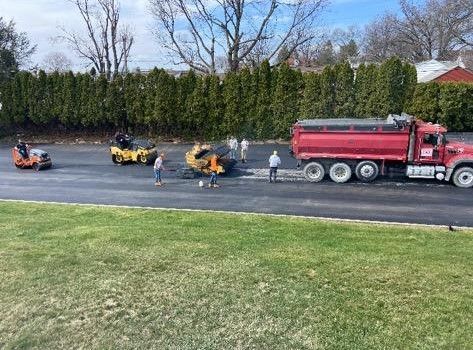
Base thickness determines how well asphalt handles heavy loads and frost heave, with residential driveways typically requiring six to eight inches of compacted aggregate and commercial parking areas needing ten to twelve inches depending on soil bearing capacity and expected traffic. The hot mix asphalt gets applied in one or two lifts while still above minimum temperature, then compacted with a vibratory roller that creates density without crushing aggregate or displacing the mat. Edges receive extra attention because unsupported pavement breaks down quickly under wheel loads that concentrate stress at the perimeter.
After compaction, the surface appears smooth with a slight texture from exposed aggregate, and water flows predictably toward drainage areas without pooling in low spots. Joints between old and new pavement form clean lines where tack coat bonds the surfaces together, and transitions to concrete or gravel follow grades that prevent abrupt drops or lips. The pavement remains flexible enough to handle minor ground movement without cracking, provided the base underneath stays stable and drainage prevents water accumulation beneath the surface.
Asphalt does not cure like concrete; instead, it cools and hardens as volatile compounds evaporate over the first year. Heavy traffic during the first weeks can leave ruts or depressions, particularly in hot weather when the surface softens under direct sun. Sealcoating should wait until those volatiles escape and the pavement fully hardens, typically six to twelve months after installation.
Questions Before Starting Asphalt Work
Clients scheduling asphalt installation in Boone typically want to understand material choices, timing considerations, and maintenance expectations before excavation begins. These answers address the most common planning questions.
What determines how thick the asphalt needs to be?
Traffic volume, vehicle weight, and soil stability all factor into thickness calculations, with passenger vehicle driveways typically receiving two to three inches of compacted asphalt over proper base while commercial areas handling delivery trucks require three to four inches to prevent rutting.
How does elevation affect asphalt installation in Boone?
Higher elevation means cooler temperatures that cause asphalt to cool faster during installation, requiring careful timing and sometimes adjustments to mix temperature to maintain workability long enough for proper compaction and finishing.
When is the best time to install asphalt?
Late spring through early fall provides the warmest ground temperatures and most stable weather, with installation avoiding periods when nighttime temperatures drop below forty degrees or when rain is forecast within twenty-four hours of paving.
What happens to old asphalt during replacement?
Existing pavement gets milled or excavated and either hauled away or crushed for use as base material in non-structural areas, depending on condition and whether contamination like oil saturation makes reuse impractical.
Why do some asphalt surfaces develop alligator cracking?
That pattern indicates base failure beneath the pavement, usually caused by inadequate compaction, insufficient base thickness, or poor drainage that allows water to saturate and weaken the aggregate foundation over repeated freeze-thaw cycles.
Randolph Paving, LLC inspects existing conditions and soil characteristics before proposing asphalt solutions specific to your site. Schedule a property visit to discuss base requirements, drainage improvements, and installation timing that works within mountain weather patterns.