Sealcoating Services in Boone, NC: Protecting Your Pavement Investment
Sealcoating Services in Boone, NC: Protecting Your Pavement Investment
Sealcoating in Boone, NC provides a protective barrier that seals pavement against UV rays, heavy precipitation, and petroleum spills common in mountain environments where weather extremes accelerate asphalt deterioration.
Which Factors Damage Asphalt Surfaces Most Quickly?
UV exposure, moisture penetration, and petroleum products cause the most rapid asphalt deterioration by breaking down binder materials and allowing water to reach the base layer.
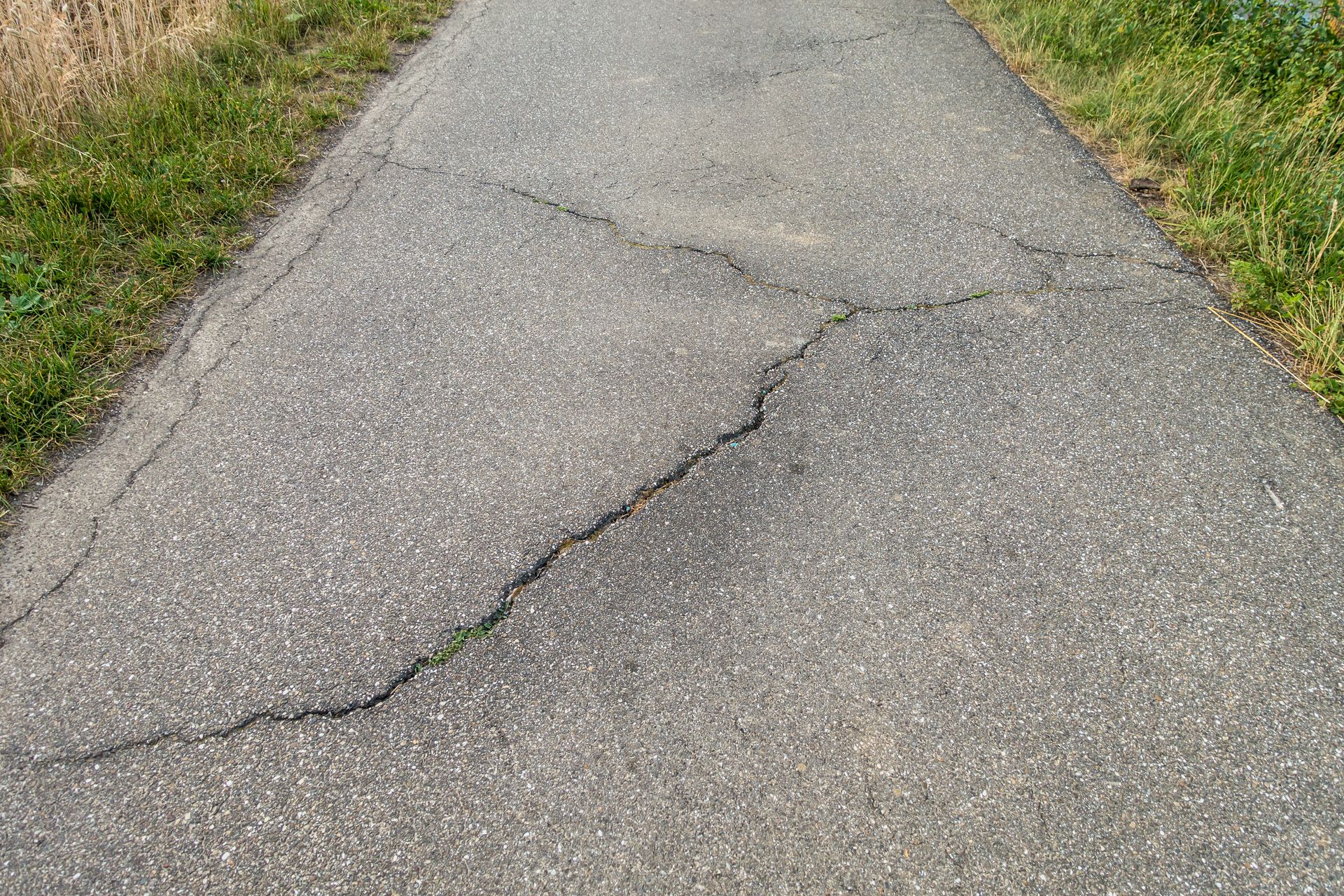
Sunlight oxidizes asphalt binders, making the surface brittle and prone to cracking. Once cracks form, rain and snowmelt seep into the pavement structure and reach the base material. Freeze-thaw cycles then expand trapped water, forcing cracks wider and creating potholes.
Vehicle fluids like oil and gasoline dissolve asphalt binders on contact, creating soft spots that deteriorate under traffic. Sealcoating creates a barrier that prevents these damaging elements from reaching the pavement structure. Property owners searching for sealcoating near me in Boone often wait until visible damage appears, but preventive application stops deterioration before it starts.
How Often Should Commercial Properties Apply Sealcoating?
Commercial parking lots benefit from sealcoating every two to three years depending on traffic volume, sun exposure, and weather conditions that stress pavement surfaces.
High-traffic areas wear through sealcoating faster than residential driveways because constant vehicle movement abrades the protective layer. Parking lots with southern exposure receive more UV damage and require more frequent reapplication. Heavy precipitation in mountain regions accelerates the breakdown of sealcoating materials.
Regular application maintains a consistent protective barrier that prevents small cracks from expanding into structural problems. Businesses that schedule routine sealcoating avoid costly repairs and extend pavement lifespan significantly compared to properties that neglect preventive maintenance.
What Does the Sealcoating Process Involve?
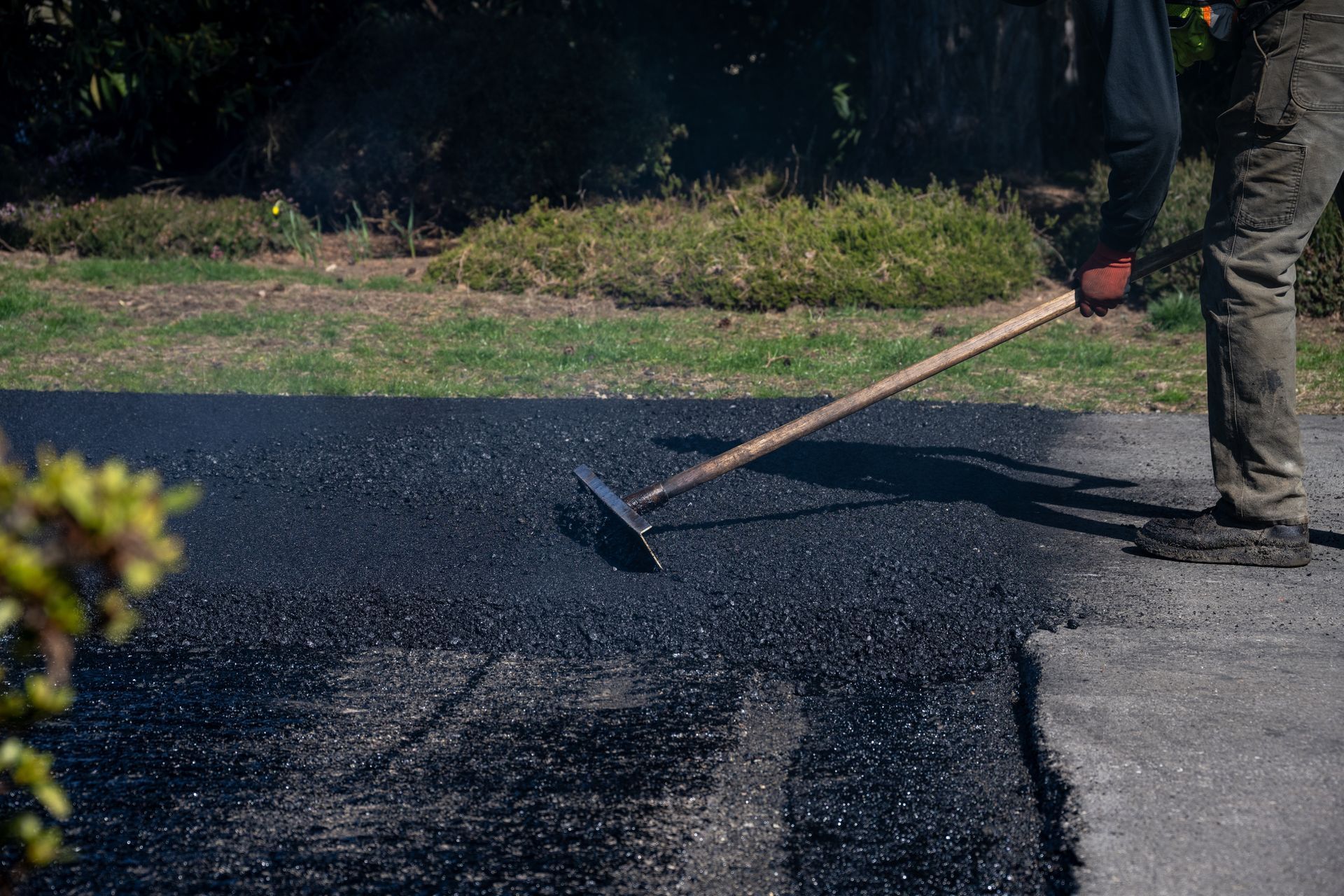
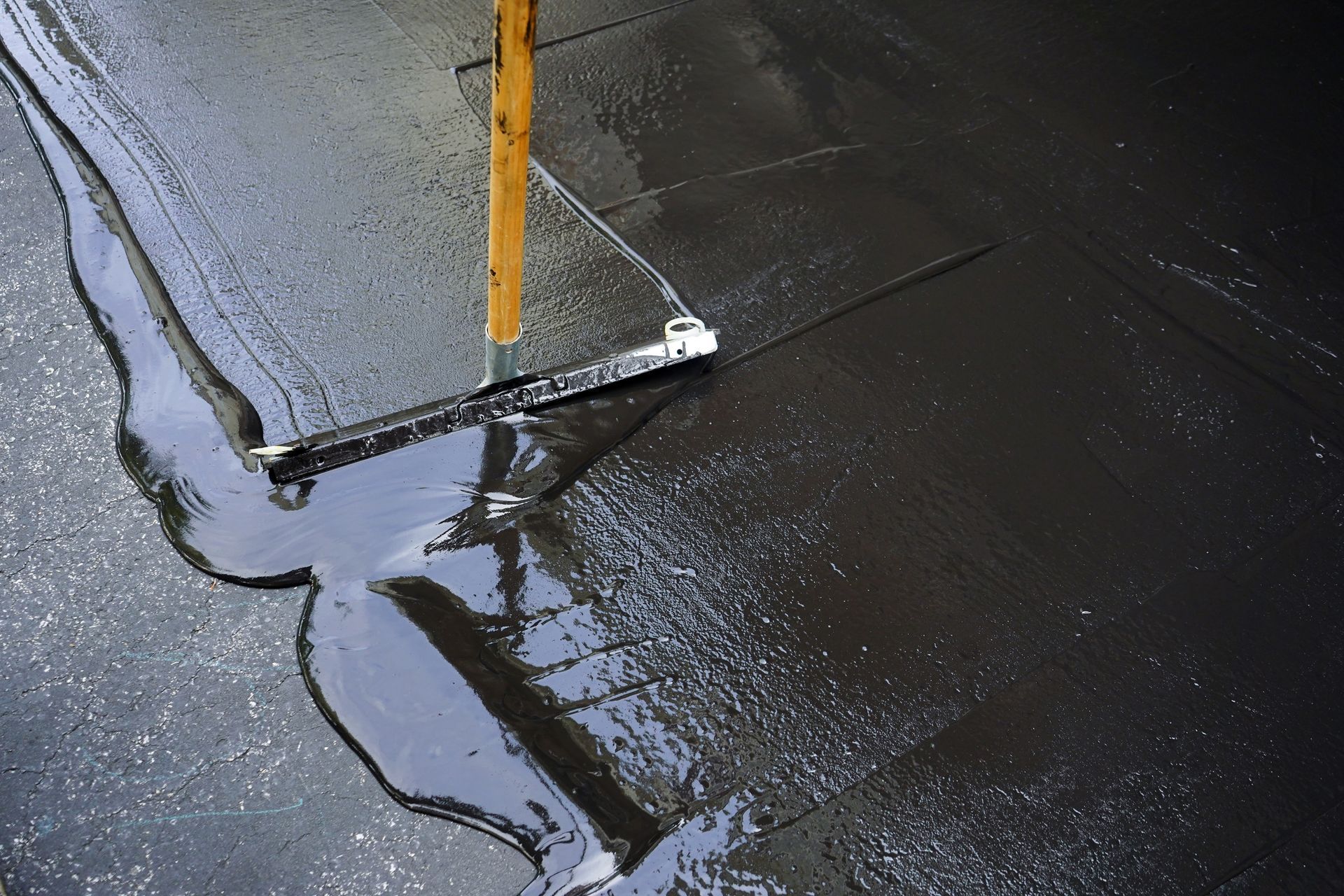
Professional sealcoating begins with surface cleaning to remove dirt, debris, and vegetation, followed by crack filling and then application of top-quality sealcoating products in even layers.
Surface preparation determines how well sealcoating adheres and performs. Dirt and loose material prevent proper bonding, reducing effectiveness and lifespan. Crack filling addresses existing damage before sealing the surface, preventing moisture from penetrating through repaired areas.
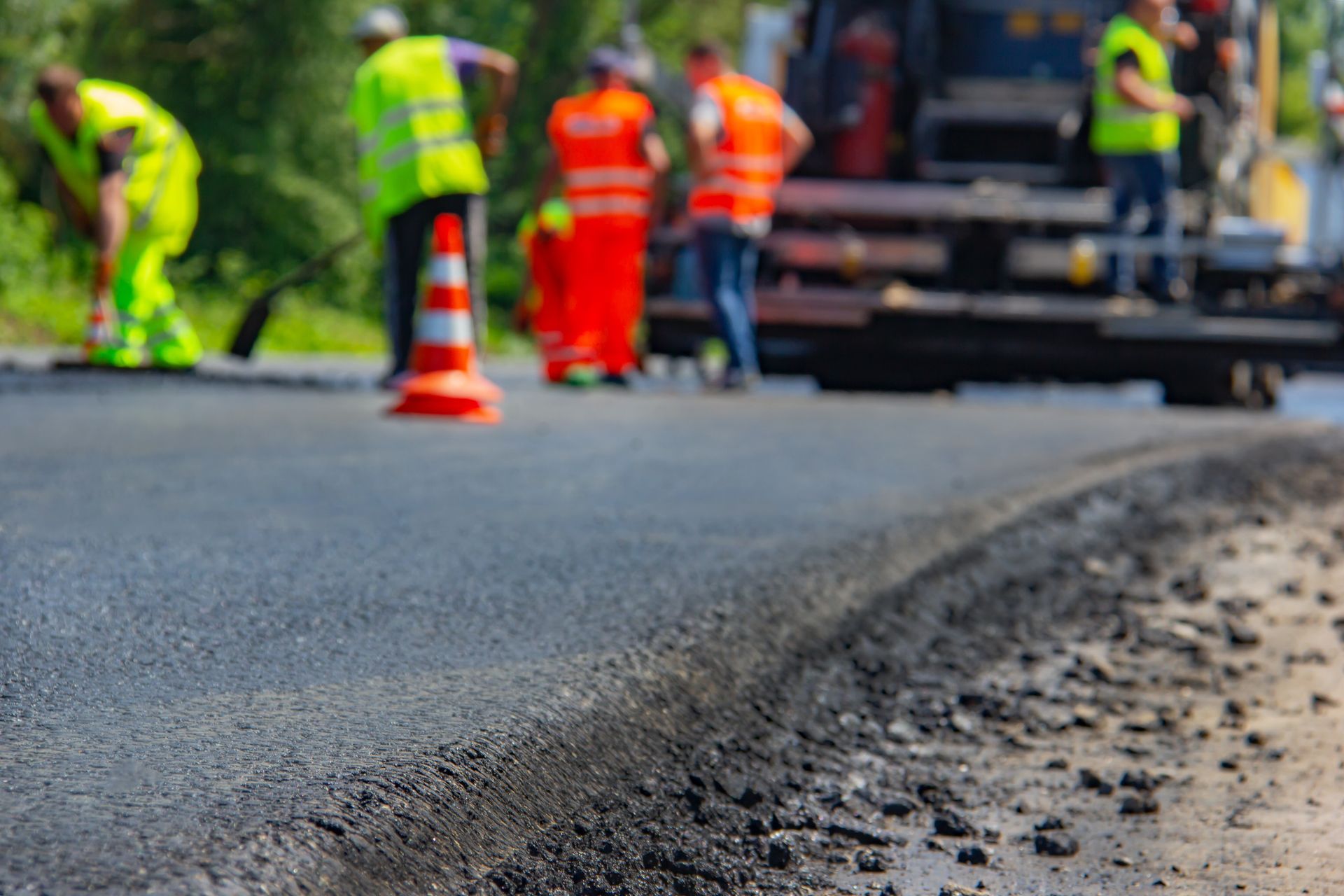
Application technique affects coverage and durability. Randolph Paving uses professional equipment to apply sealcoating in uniform layers that cure properly and provide consistent protection. Rushed or uneven application creates thin spots that fail prematurely and leave pavement vulnerable to damage. Homeowners who explore asphalt paving options in Boone should plan for regular sealcoating as part of long-term pavement maintenance.
Can Sealcoating Repair Existing Damage?
Sealcoating protects intact pavement but does not repair structural damage like potholes, deep cracks, or base failures that require patching or section replacement before sealing.
Small surface cracks can be filled before sealcoating to prevent them from expanding. However, potholes and areas with base damage need proper repair work that removes deteriorated material and rebuilds the pavement structure. Applying sealcoating over structural damage only hides problems temporarily.
Property owners should address repairs before scheduling sealcoating to ensure the protective barrier seals sound pavement. Combining repair work with sealcoating provides comprehensive protection that extends pavement life and prevents future damage from developing.
How Do Boone Weather Patterns Affect Sealcoating Timing?
Boone's mountain climate requires sealcoating during warm, dry periods when temperatures stay above 50 degrees for at least 24 hours to allow proper curing without moisture interference.
Spring and early fall typically offer the best conditions because summer heat can cause sealcoating to dry too quickly and crack, while winter temperatures prevent proper curing. Heavy precipitation during application or curing washes away uncured material and creates uneven coverage.
Scheduling sealcoating during stable weather windows ensures the protective barrier cures properly and bonds effectively to the pavement surface. The right parking lot sealcoating provider in Boone monitors weather forecasts and plans application timing to maximize performance and longevity.
Protecting your asphalt investment requires regular sealcoating that prevents damage before it compromises pavement structure. Mountain weather conditions make preventive maintenance even more critical for long-term performance.
Connect with Randolph Paving to evaluate your pavement condition and develop a sealcoating schedule that protects your property from UV damage, precipitation, and petroleum spills common in Boone's mountain environment.