Driveway Excavation in Jefferson, NC: Building Stable Foundations
Driveway Excavation in Jefferson, NC: Building Stable Foundations
Driveway excavation in Jefferson, NC creates stable, level foundations by cutting and grading ground to remove organic material and establish drainage slopes that prevent water from undermining pavement structures.
What Happens During Professional Excavation Work?
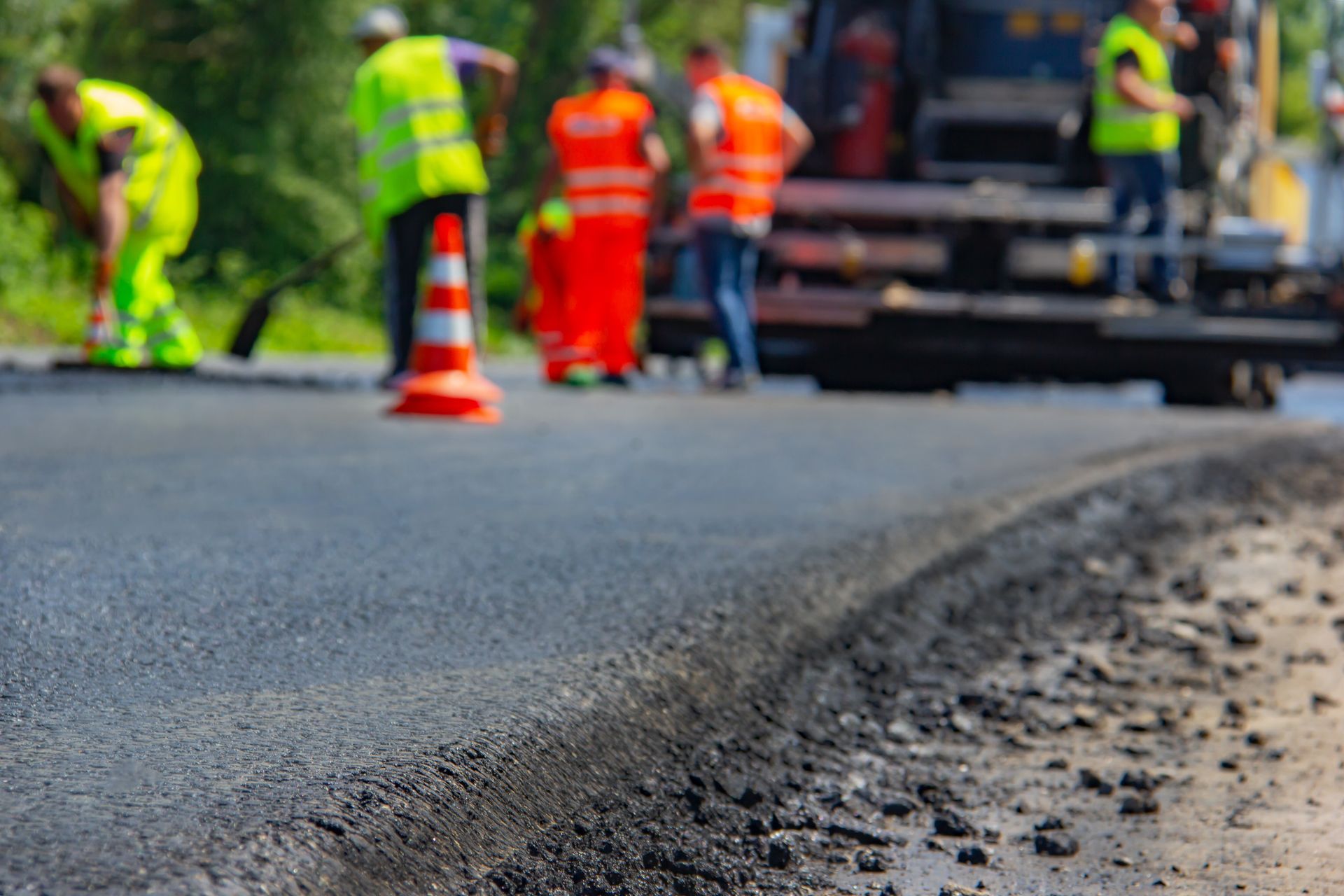
Professional excavation removes topsoil and organic layers, grades the site to proper elevation and slope, and prepares the sub-base for compaction that supports asphalt through seasonal changes.
Topsoil contains organic material that decomposes and settles unevenly, creating dips and cracks in pavement above. Excavation depth depends on soil conditions and expected traffic load, with residential driveways typically requiring different specifications than commercial applications.
Grading establishes the correct slope to direct water away from structures and prevent pooling beneath the asphalt layer. Without proper slope, water accumulates under pavement and causes freeze-thaw damage that destroys the base material. Property owners looking for excavation services near me in Jefferson should verify that contractors understand how mountain terrain affects drainage and stability.
How Deep Should Driveway Excavation Go?
Excavation depth typically ranges from eight to twelve inches for residential driveways, depending on soil type, drainage conditions, and whether the site requires additional base material for stability.
Clay soils hold water and require deeper excavation with thicker gravel base layers to prevent frost heave. Sandy soils drain better but may need stabilization to support vehicle weight without rutting. Rocky mountain soils present different challenges that affect excavation depth and base preparation.
Proper depth ensures the finished driveway sits at the correct elevation relative to surrounding grade and structures. Too shallow and the base lacks adequate support; too deep and you waste material and money without improving performance.
Why Does Organic Material Removal Matter?
Organic material decomposes over time and creates voids beneath pavement that cause settling, cracking, and structural failure as the base loses support and shifts unevenly.
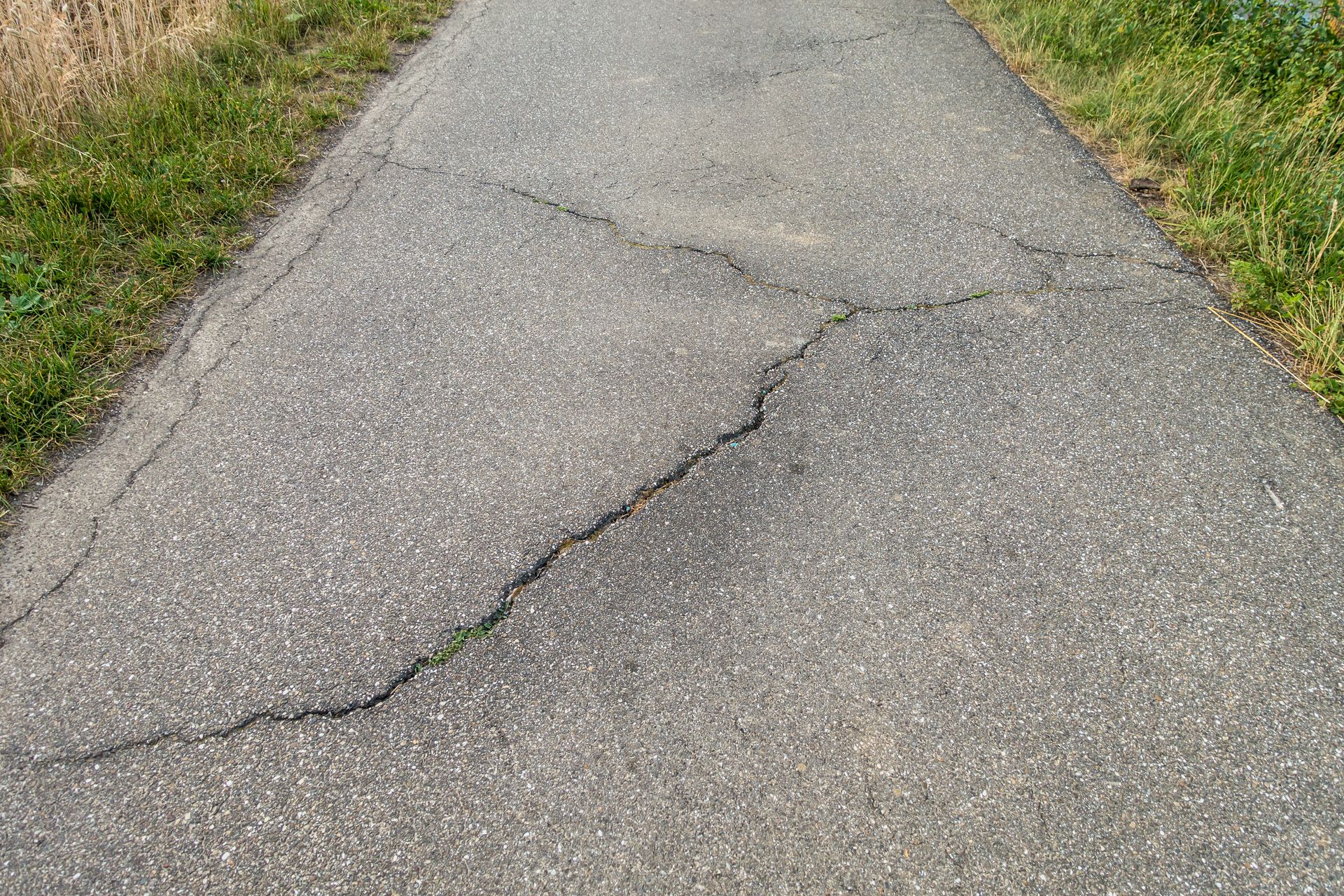
Roots, leaves, and topsoil break down at different rates depending on moisture and temperature. As decomposition progresses, the volume of material decreases and the ground above settles. Pavement supported by decomposing organic material develops cracks and dips that worsen rapidly.
Complete removal during excavation prevents these problems by establishing a stable foundation on mineral soil or compacted gravel. Randolph Paving removes all organic layers during site preparation to ensure long-term pavement stability. Homeowners who find base compaction help in Jefferson often discover that proper excavation determines whether compaction efforts succeed or fail.
Can Excavation Fix Existing Drainage Problems?
Excavation corrects drainage issues by regrading the site to establish proper slope that channels water away from structures and prevents pooling beneath pavement surfaces.
Existing driveways with drainage problems often lack adequate slope or have settled into low spots that trap water. Excavating and regrading the site creates positive drainage that moves water away from the pavement structure and foundation.
Addressing drainage during excavation prevents future problems that would require expensive repairs. Water management is especially critical in mountain regions where heavy precipitation and freeze-thaw cycles stress pavement structures more severely than in other climates.
How Do Jefferson Soil Conditions Affect Excavation?
Jefferson's mountain soils vary from rocky clay to sandy loam, requiring excavation techniques and base preparation strategies tailored to specific site conditions for optimal stability.
Clay-heavy soils expand when wet and contract when dry, creating movement that stresses pavement. Rocky soils may require additional excavation to remove large stones that prevent proper compaction. Sandy soils drain well but may need stabilization to support vehicle loads.
Experienced contractors assess soil conditions during site evaluation and adjust excavation depth and base material specifications accordingly. The right site grading provider in Jefferson understands how local soil types affect drainage and pavement performance over time.
Proper excavation establishes the foundation that determines whether your driveway lasts five years or twenty. Mountain terrain and soil conditions make professional site preparation essential for long-term performance.
Plan your driveway project with Randolph Paving to ensure excavation work addresses drainage, soil conditions, and base stability requirements specific to Jefferson's mountain environment.