Hiring an Asphalt Paving Contractor in Greenville, NC
Asphalt Paving in Greenville, NC: What to Look for When Hiring a Driveway and Parking Lot Contractor
In Greenville, NC, a new asphalt driveway or parking lot is a long-term investment — and Greenville's flat, clay-heavy terrain means water has nowhere to go if the base underneath your pavement is poorly installed. That single factor — drainage from the ground up — separates a surface that lasts 20-plus years from one that starts cracking within five. Before you sign any contract, knowing what 'quality' actually looks like will help you compare bids with confidence.
Why Greenville's Climate Makes Contractor Quality Even More Important
Proper base preparation matters more in eastern NC than in most of the country because of the region's specific soil and weather conditions.
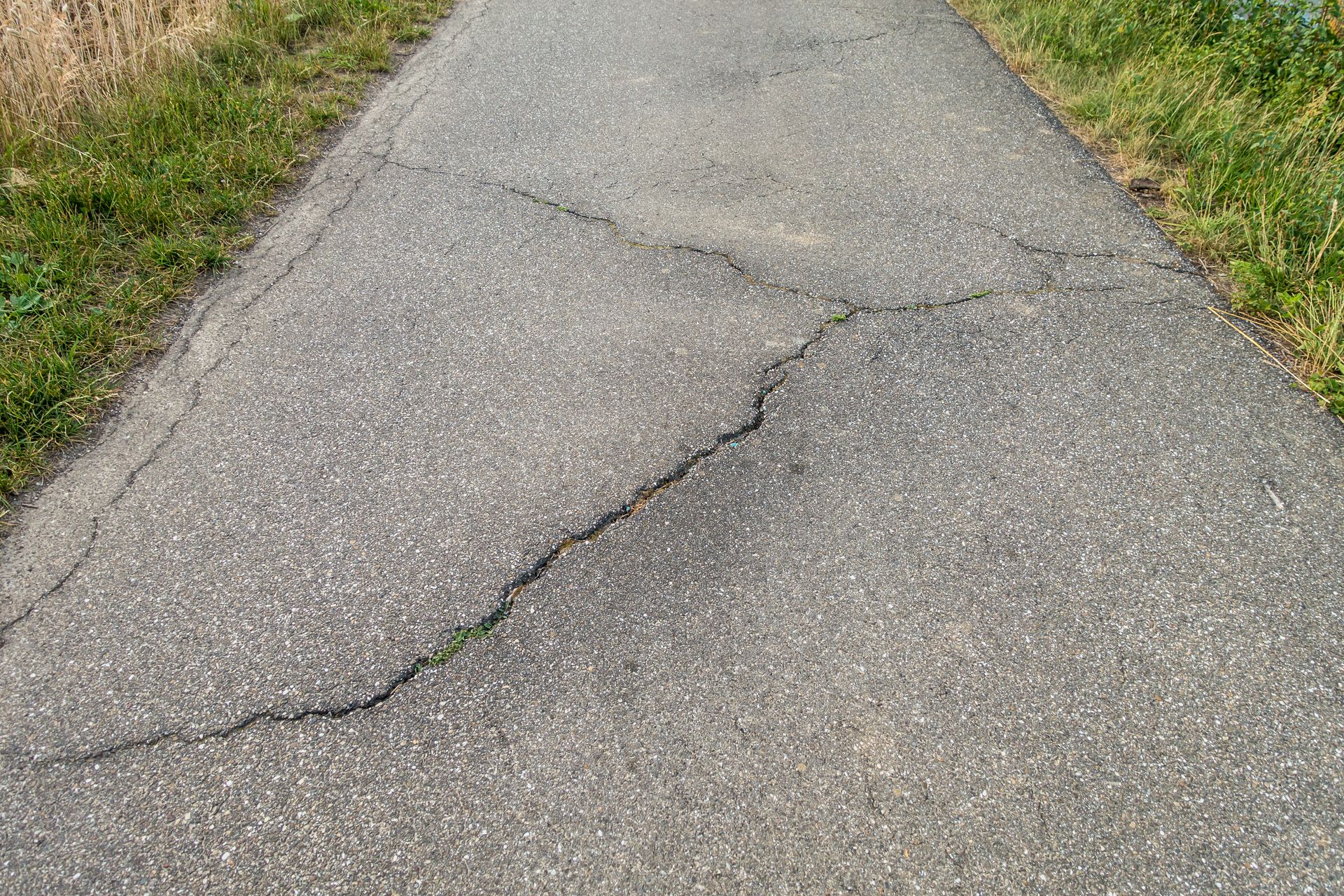
Greenville sits in a high-heat, high-humidity coastal plain environment. Summer temperatures regularly exceed 90°F, and prolonged UV exposure oxidizes asphalt surfaces faster than in cooler climates — causing surface cracking that lets water in. The region also sees heavy rain events, including tropical systems, that push water into any weak point in a pavement system.
Eastern NC's clay-heavy soils hold moisture rather than draining it. When a contractor skips proper excavation depth, that trapped moisture expands and contracts with seasonal temperature swings, causing heaving, rutting, and early failure. A well-installed driveway in this climate should last 20-30 years; a parking lot, 15-25 years with regular asphalt sealcoating maintenance. Cut corners on installation, and you may see problems in under a decade.
Does the Paving Company Need to Handle Excavation Too?
Yes — excavation is not optional, and a contractor who skips it or subcontracts it without clear accountability is one of the biggest red flags in the industry.
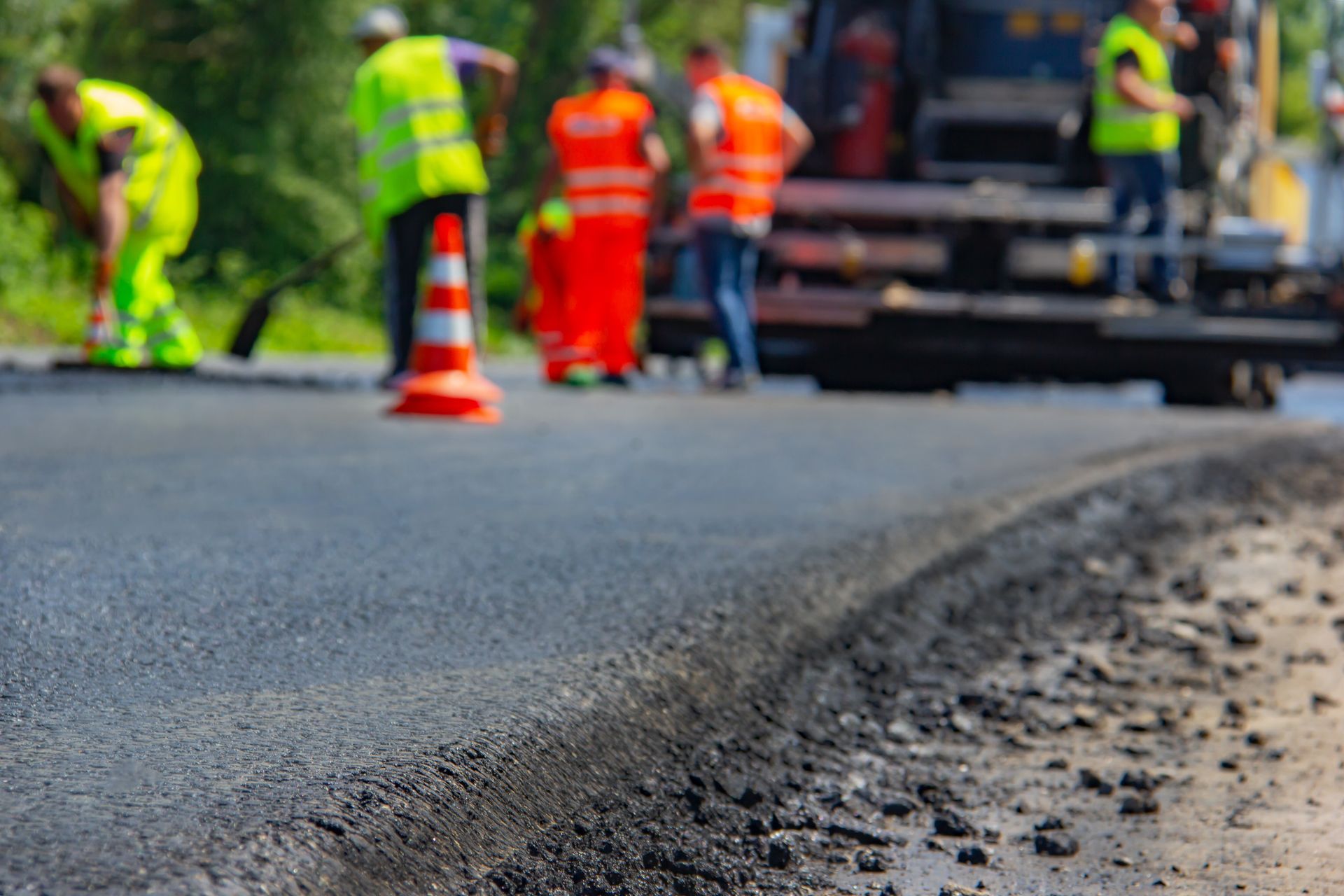
Asphalt is only as strong as what's underneath it. The proper job sequence runs: site evaluation → excavation → grading for drainage → compacted aggregate base → hot-mix asphalt lay → compaction → sealcoating after cure. Every step depends on the one before it. If excavation is rushed or skipped, no amount of high-quality asphalt on top will compensate.
For residential driveways, typical excavation depth runs 6-8 inches. Commercial parking lots often require more, depending on the load those surfaces need to carry. A contractor who doesn't bring up driveway excavation when scoping your job is telling you something important about how they work.
Driveway vs. Parking Lot Paving — Understanding the Scope Difference
Residential driveways and commercial parking lots are not the same job scaled up — they involve different thickness specs, drainage engineering, and compliance requirements.
Driveways typically use 2-3 inches of hot-mix asphalt over a 4-6 inch compacted sub-base, and drainage is handled with a basic slope or crown. Parking lots require 3-4 inches or more of asphalt over a 6-10 inch sub-base, engineered grading, and ADA-compliant slopes for accessible spaces. Commercial lots also require line striping and must account for heavier vehicles like delivery trucks — loads a residential driveway never sees.
A contractor with experience in both settings understands load distribution, large-scale drainage grading, and the finish-detail differences between a commercial project and a residential one. Learn more about full-scope asphalt paving services to understand what a properly engineered project looks like from either angle.
Red Flags to Watch for in Asphalt Quotes
Price is not a reliable quality signal on its own — low-ball quotes almost always reflect something left out of the scope.
- No mention of excavation — they may be paving over a failing base
- Unusually thin asphalt spec — less than 2 inches for a driveway or less than 3 for a commercial lot is undersized
- No equipment list — hand-tamping versus mechanical compaction produces dramatically different results
- No written warranty on labor or materials
- Cash-only, no written contract — a hallmark of 'storm chaser' paving crews that move through after weather events
- Quote given without a site visit — proper bids require seeing the ground, especially in eastern NC where drainage varies
- No discussion of drainage — in Greenville's flat topography, water management is essential, not optional
Getting two or three written bids makes these gaps easier to spot. When one quote is significantly lower, ask specifically what excavation depth and asphalt thickness it includes — that's usually where the savings are hiding.
8 Questions to Ask Any Asphalt Contractor Before You Sign
Ask these before committing, and pay attention to how confidently and specifically they answer.
- Do you handle excavation in-house, or do I need to hire a separate contractor?
- What is the asphalt mix specification — thickness, aggregate size, and compaction method?
- What equipment will you use for compaction?
- How do you manage drainage and grading on this specific site?
- What does your written warranty cover, and for how long?
- Can you provide local references or examples of completed work in the Greenville area?
- Are you licensed, insured, and able to pull any required permits?
- When can I drive on the surface, and when should sealcoating be applied? (Typically after a 90-day cure period.)
Serving Greenville and the Surrounding Pitt County Area
Greenville, NC sits at the center of Pitt County, and the surrounding communities share the same flat coastal plain conditions — clay soils, high summer heat, and seasonal rain events that stress pavement systems built without proper drainage. These regional factors apply whether your project is in Greenville proper or in the surrounding towns and rural areas of eastern NC.
Understanding how local soil and climate interact with your pavement is part of what makes local experience matter. A contractor who works regularly in this area knows what eastern NC ground looks like under excavation and how to grade for drainage in flat terrain. Explore the full service area to confirm coverage for your location.
Knowing what separates a quality installation from a low-bid shortcut gives you a real framework for comparing contractors — not just prices. A properly scoped and installed asphalt surface in this climate will serve you for decades, while a rushed job starts costing money within a few years.
Schedule a site evaluation with Randolph Paving, LLC to get a written, scoped bid you can compare with confidence.